Study & Living in Australia

Your life in Melbourne starts here
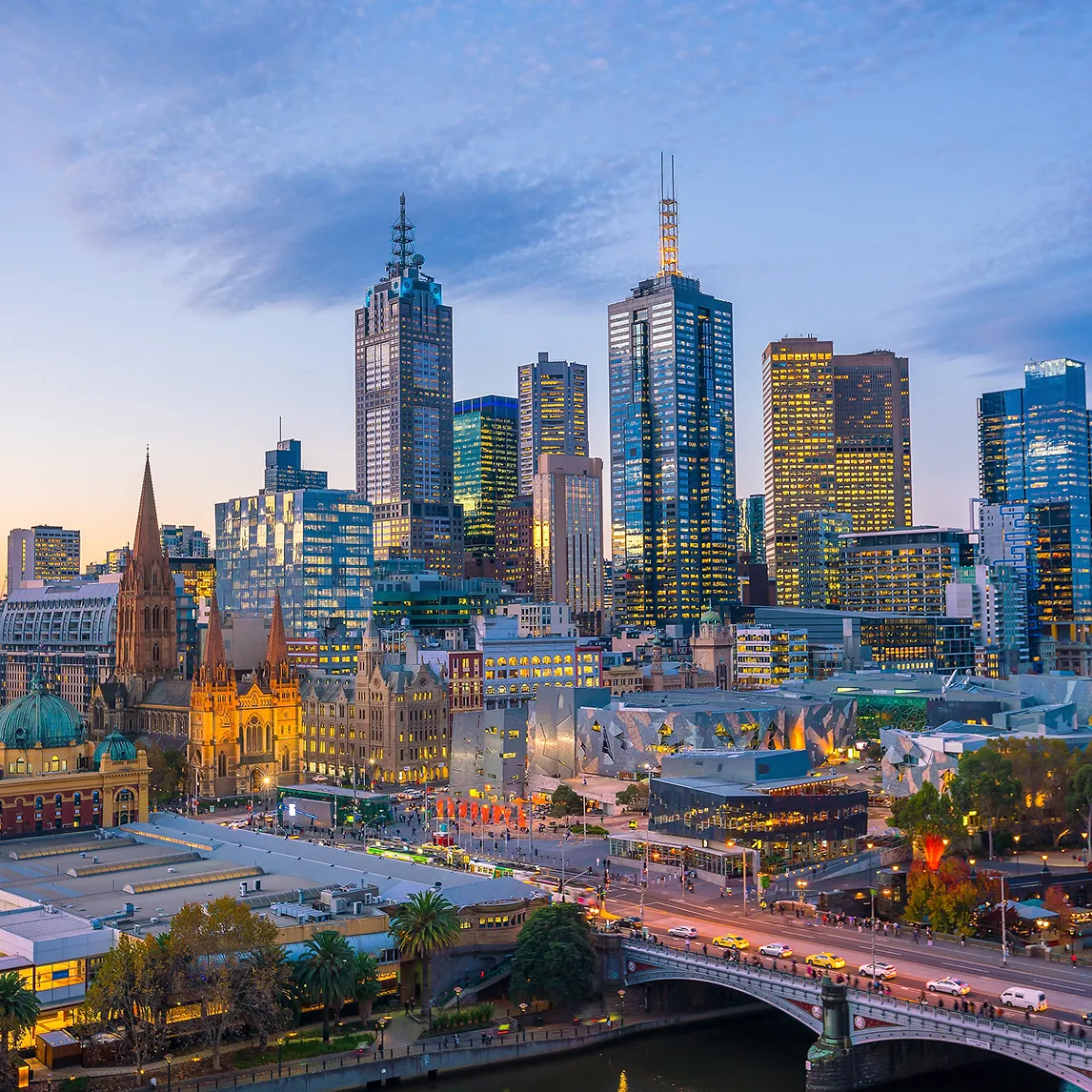
Melbourne is more than a study destination — it’s a city that feeds your ambition, broadens your palate, and shapes you into the chef and professional you’ve always wanted to become. For a culinary student, there is no better place on earth to be.
Why Melbourne?
World’s top foodie city 2025 (Travelbag)
Most liveable city globally
(EIU 2025)
Best student city in the world
(QS 2026)
Countries represented by students in Victoria
A city built for curiosity
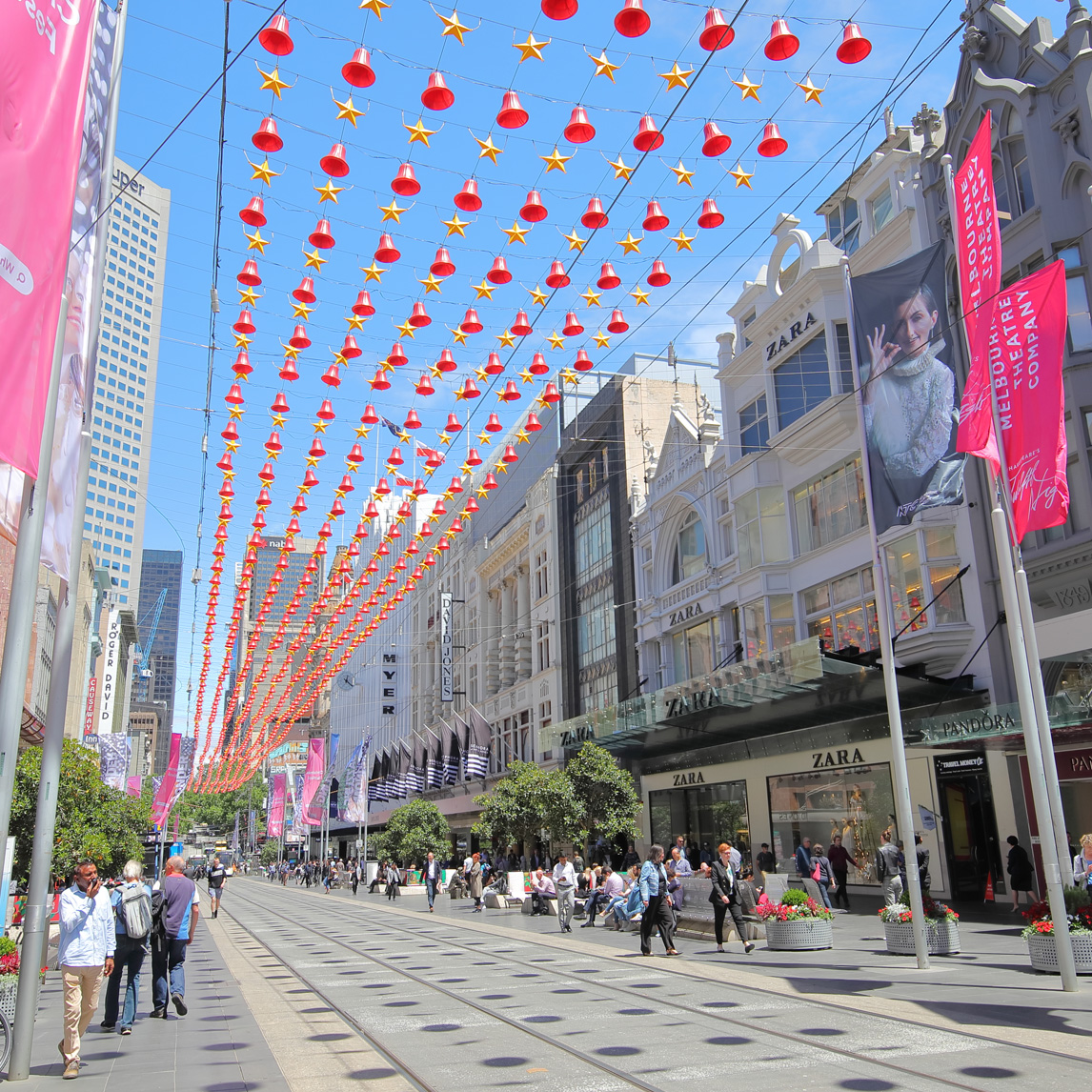
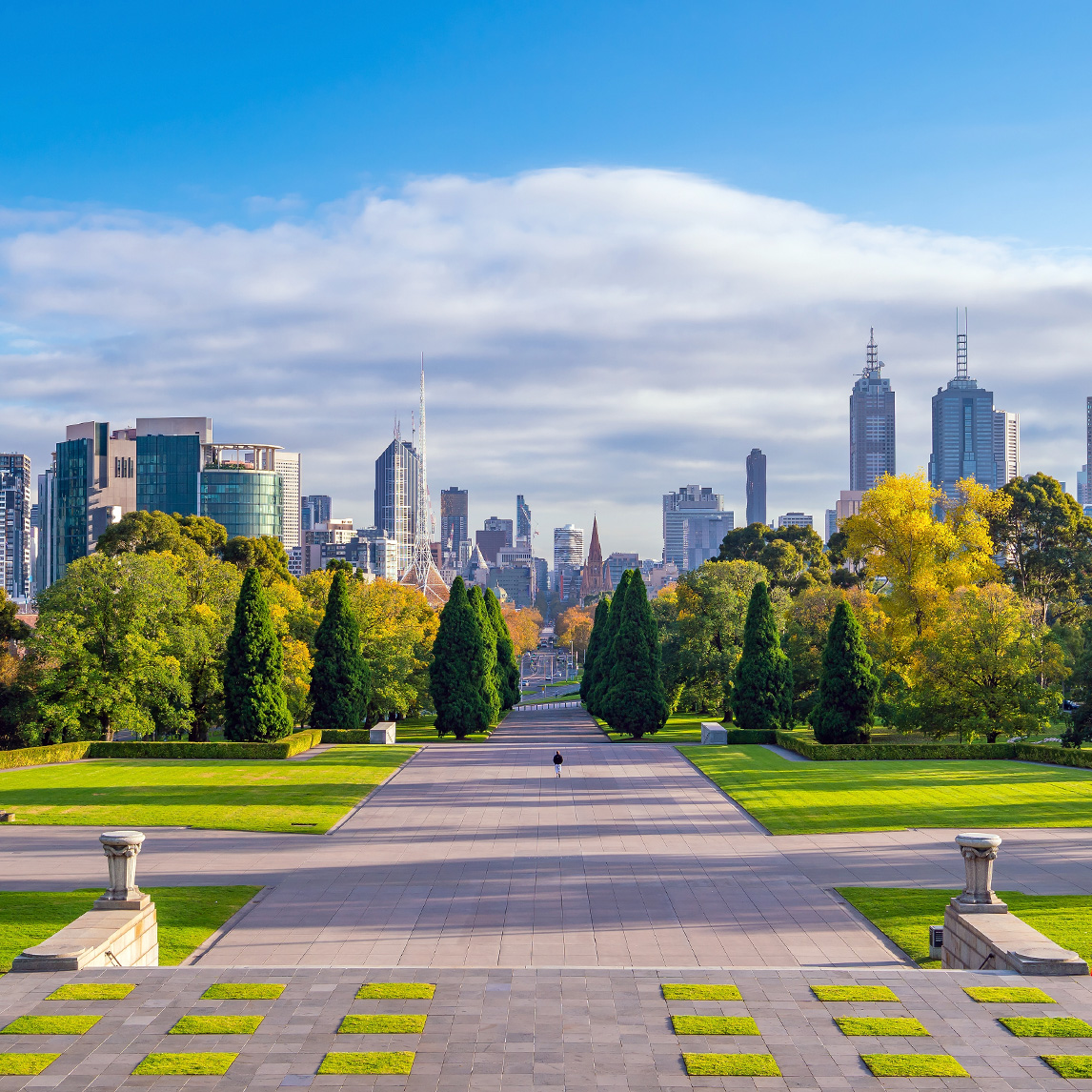
Melbourne is Australia’s cultural capital — a city of laneways, markets, live music, world-class sport, and an obsessive coffee culture that is entirely its own. It is consistently ranked among the world’s most liveable cities, and for international students, it offers something rarer still: a genuine sense of belonging from day one.
Victoria is thriving with opportunities to get involved and there is something for everyone. From day one, you will be embraced by a community that cares.
Multicultural at its core
Over 250,000 international students from 175 countries study in Victoria each year. In Melbourne, you’ll find communities, cuisines, and connections from every corner of the world — making it easy to feel at home while discovering somewhere entirely new.
A career-ready city
Melbourne’s hospitality industry is one of the most dynamic in the world. Graduating here means access to some of Australia’s top restaurants, hotels, and food businesses — right on your doorstep. Many TheFCA graduates build careers in the very city they studied in.
Victoria’s government actively supports international students through the Study Melbourne Hub, which offers free professional development programs, employment services, accommodation, legal support, and a network of student advisors. Visit studymelbourne.vic.gov.au
The world’s #1 food city is your classroom
In 2025, Melbourne was crowned the world’s top foodie destination by British travel company Travelbag — beating Tokyo, New York, and Bangkok. For a student of commercial cookery or hospitality, this is not just a fun fact. It means your training ground is the most vibrant, diverse, and demanding culinary environment on the planet.
The city boasts over 100 distinct cuisines, from Lygon Street’s Italian heritage to Footscray’s Vietnamese and East African kitchens, Carlton’s Greek enclaves, and a cutting-edge fine dining scene that draws chefs and critics from every continent. Melbourne’s food culture rewards curiosity — and it will make you a better cook.
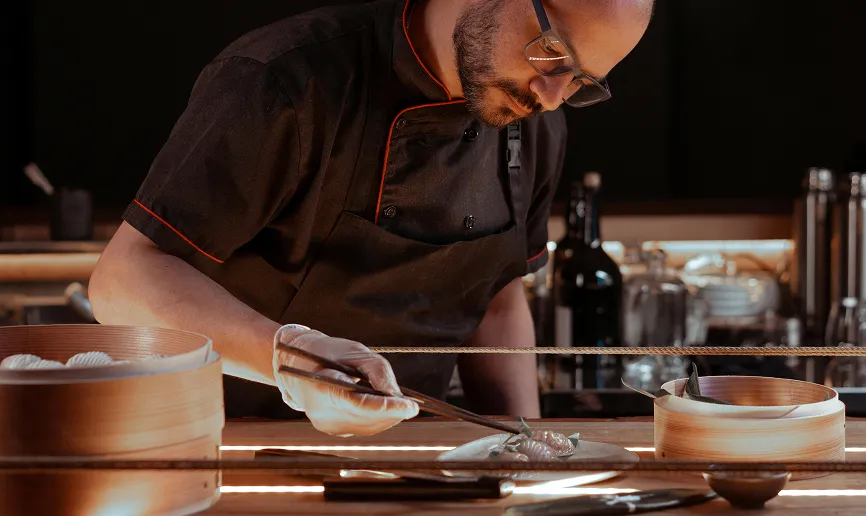
Fine dining
World-class restaurants with tasting menus, hatted chefs, and techniques you’ll study and experience side by side.

Café culture
Melbourne is famous for its flat whites. Its café scene is arguably the best in the world — every suburb has its own local institution.

Street food & markets
Queen Victoria Market, Night Noodle Markets, Finders Keepers — there’s always something to eat, discover, and be inspired by.

Food festivals
The Melbourne Food and Wine Festival draws the world’s best chefs to the city every March — and you’ll be right here for it.

Global flavors
100+ cuisines across the city. Malaysian, Korean, Iranian, Ukrainian, Sri Lankan, Italian — every shift gives you something new.

Industry access
Melbourne’s hospitality sector is enormous. Part-time work, mentors, and job opportunities are available from day one.
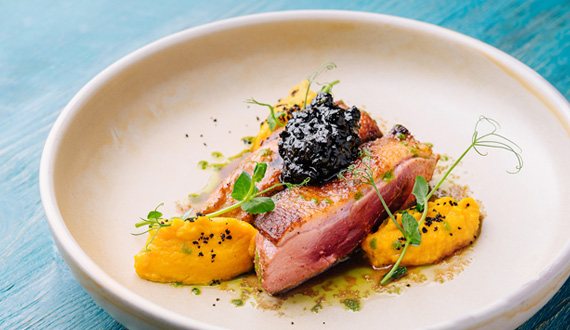
Melbourne’s dining scene was crowned the world’s top foodie destination for 2025 — a testament to its vibrant food culture, innovative chefs, and the passionate community that keeps its culinary scene evolving.
Melbourne’s neighbourhoods
Melbourne is a city of distinct villages. Each neighbourhood has its own personality, food scene, and rhythm — and wherever you live, you’ll be well connected to the rest of the city by tram, train, or bike
Popular with studentsFitzroy & Collingwood
Melbourne’s creative heartbeat — street art, independent cafés, live music, and some of the city’s most exciting restaurants. Vibrant and walkable.
Arts & culture Carlton
Home to Melbourne’s Italian precinct on Lygon Street, leafy parks, bookshops, and a classic university atmosphere.
Multicultural Footscray
One of Melbourne’s most diverse and exciting food suburbs. Vietnamese, East African, and Pacific cuisines sit side by side in a rapidly growing community.
Lively St Kilda
Beachside suburb with a famous esplanade, live music venues, cafés, and a buzzing Sunday market. Cosmopolitan and welcoming.
Central CBD & Southbank
The city grid, the Yarra River, arts precinct, Queen Victoria Market, and some of Melbourne’s finest dining — all on foot.
Relaxed Brunswick
Bohemian, diverse, and affordable. Known for its Middle Eastern bakeries, vintage stores, and a strong sense of community.
Cost of living
Melbourne rewards good planning. With smart budgeting, international students live comfortably, enjoy everything the city has to offer, and often have room to save. Here’s a realistic guide to monthly expenses.
Student transport discount: International students are eligible for the iUSEpass — a concession card that halves the cost of an annual Myki travel pass (from AUD $1,599 to approximately AUD $800). Trams within the CBD free zone are always free.
Work rights in Australia
Your Australian Student Visa (subclass 500) includes the right to work while studying — a huge advantage that lets you build your career, practise your skills in real venues, and fund your life in Melbourne at the same time.
48 hours per fortnight
While your course is in session, you can work up to 48 hours per fortnight — enough for a solid part-time role in hospitality.
Unlimited during breaks
During official course breaks and scheduled holidays, there is no limit on your working hours.
Industry-relevant roles
Melbourne’s hospitality sector is always hiring. Kitchens, cafés, restaurants, and hotels regularly employ culinary students.
Tax File Number (TFN)
You’ll need an Australian Tax File Number before you start working. Apply online through the ATO — it’s straightforward and free.
Common roles for culinary students: Kitchen hand, commis chef, barista, front-of-house, catering assistant, food prep, and café supervisor. Many TheFCA students secure roles that directly complement their on-campus training.
Melbourne’s transport network
Melbourne is one of the most navigable cities in the world for students. The city’s iconic tram network, train lines, and buses are all integrated under one system — and your single Myki card works across all of them.
Trams — free in the CBD
Melbourne’s tram network is the largest in the Southern Hemisphere. Travel within the CBD free tram zone costs nothing at all.
24/7 on weekends
Public transport runs around the clock on Friday and Saturday nights — so you can always get home safely after late shifts or nights out.
Cycling
Melbourne has an extensive network of dedicated bike lanes and the Melbourne Bike Share scheme for short trips around the inner city.
Walkable inner city
The CBD follows a grid structure — easy to navigate from day one. Most student precincts and venues are within walking distance.
BEGIN YOUR CULINARY JOURNEY
At The Future Culinary Academy, passion for food transforms into professional mastery and global career opportunities.