Campus & Facilities

Where serious culinary training happens

The environment you train in shapes the professional you become. At The Future Culinary Academy, every aspect of our training spaces — from the equipment in our kitchens to the intimacy of our classroom — has been chosen to prepare you for the realities of working in Australia's finest hospitality establishments. Small cohorts. Industry-grade equipment. Qualified trainers who have worked in the past at the highest level. This is not a simulation of professional culinary life. It is as close to the real thing as training gets.
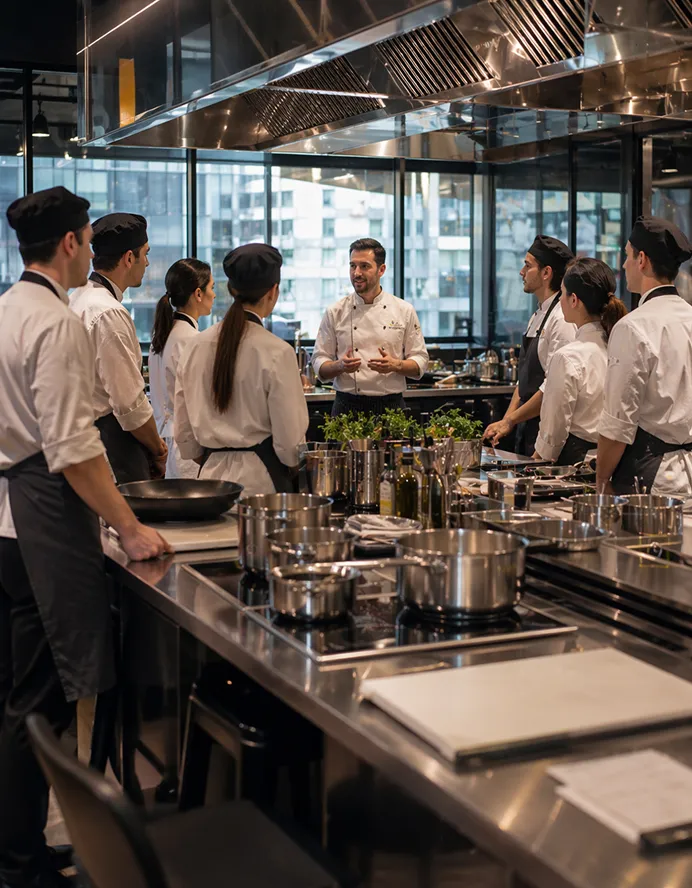
The Training Kitchen
This is where craft is built.
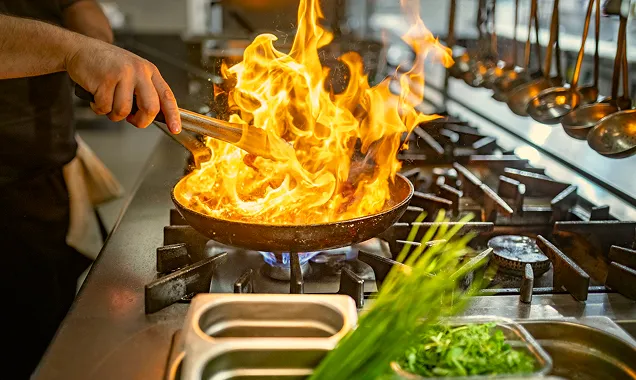
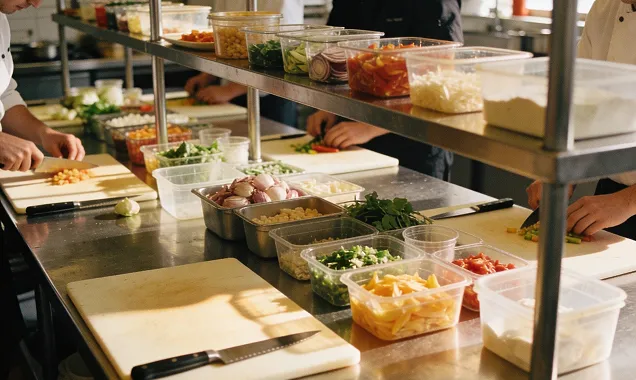
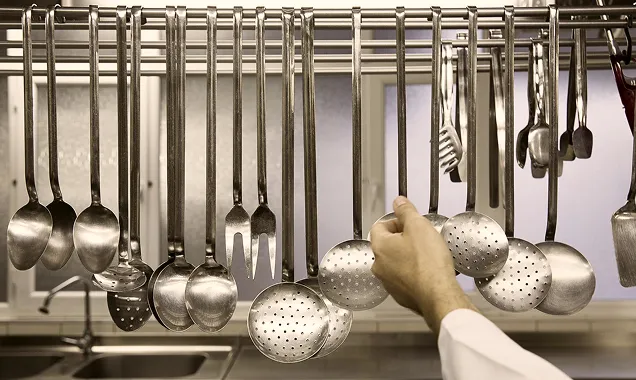
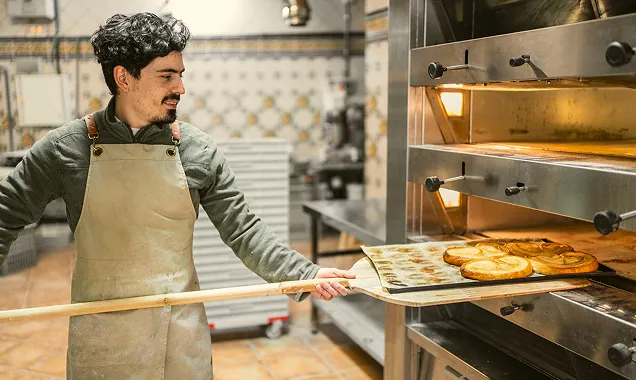
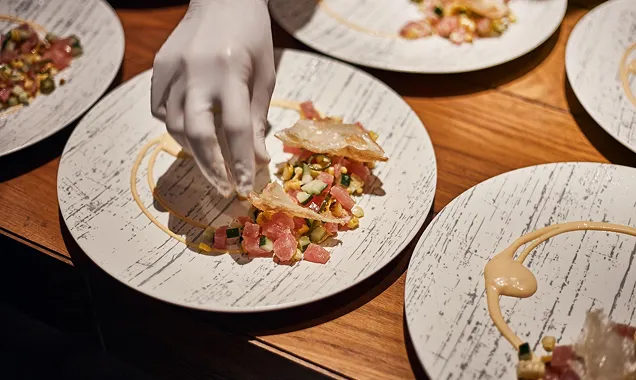
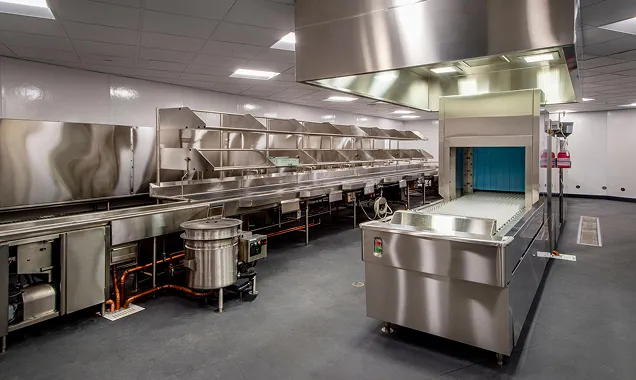
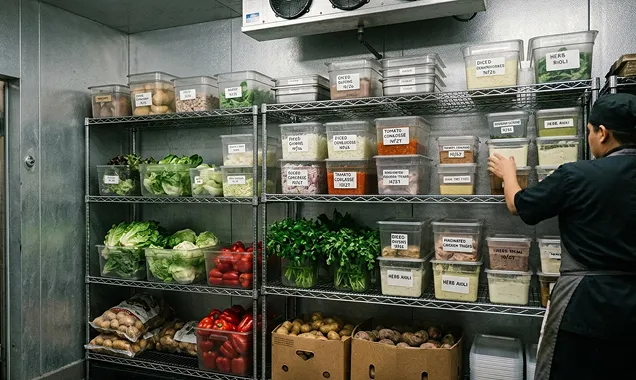
Our professional training kitchen is equipped and operated to commercial industry standards. From your first practical session, you are working with the same equipment, at the same pace, and under the same expectations as a working professional kitchen. That is a deliberate choice — because the fastest way to be ready for the industry is to train inside it.

The kitchen is equipped with:
SMALL GROUPS. REAL PROGRESS.
Every practical session is led by a qualified trainer with current industry experience. Groups are kept deliberately small — which means more bench time, more direct feedback, and the kind of repetition that builds genuine, lasting competency.
SAFETY COMES FIRST
All students complete a mandatory Work Health and Safety kitchen induction at orientation before any practical sessions begin. The kitchen meets all WHS requirements under the Work Health and Safety Act 2011 and is subject to regular safety inspections
The Classroom
This is where culinary thinking is developed.
Professional kitchens demand more than technical skill — they demand people who understand why, not just how. Our classroom environment is designed for exactly that. Intimate, focused, and seminar-style, it is where the knowledge behind the craft is built and challenged.
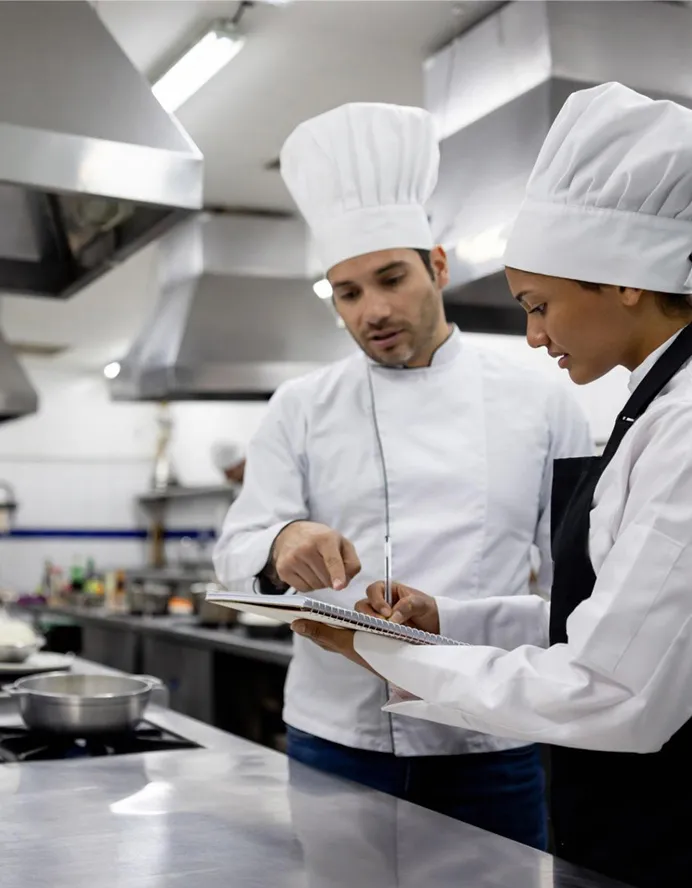
Class sizes are kept small by design. Your trainer knows your name, your progress, and your ambitions. The classroom is not a place where students disappear into the back row — it is a place where everyone is engaged, challenged, and heard.
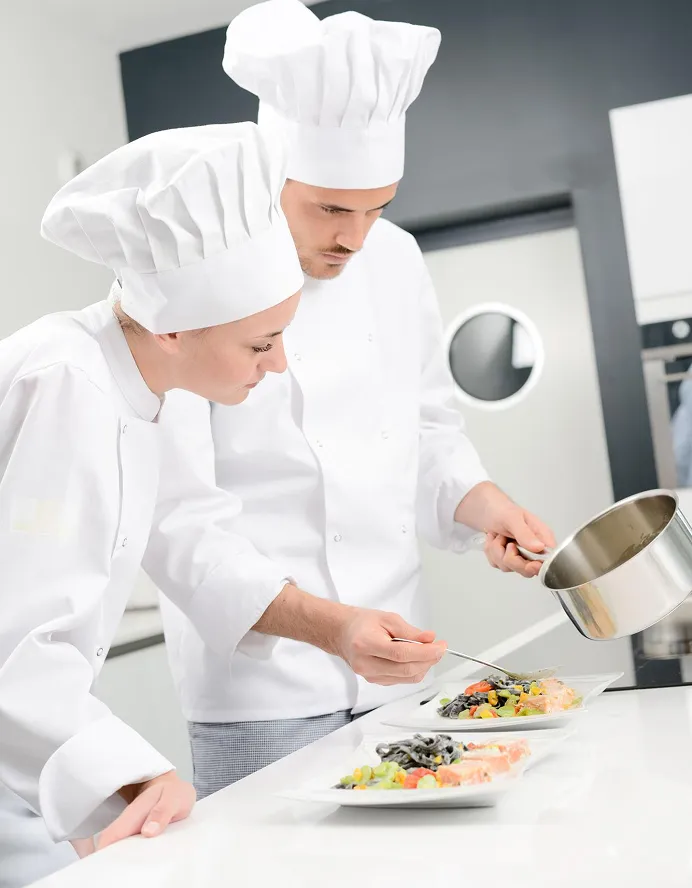
What happens in the classroom:
- Food science, nutrition, and the principles behind cooking techniques
- Menu engineering, cost control, and the business of running a kitchen
- Written and theory-based assessments
- Menu engineering, cost control, and the business of running a kitchen
- Trainer-led presentations, case studies, and group discussions
- Post-kitchen debriefs — reviewing what worked, what did not, and why
What to Bring
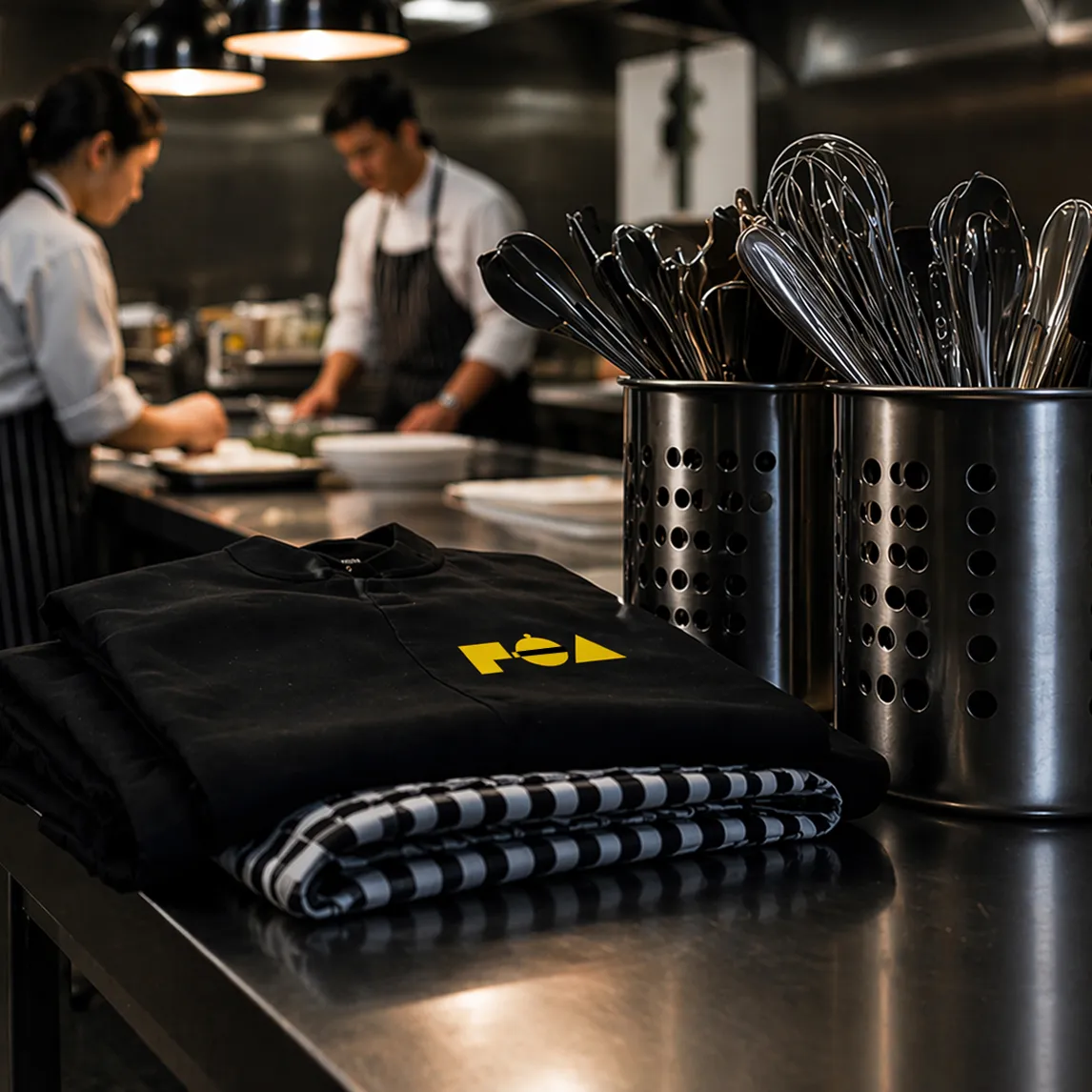
The Academy provides all kitchen equipment, tools, and smallwares required for your training sessions. You are not required to purchase your own knife kit as a condition of enrolment — though many students choose to invest in their own as they progress. Your trainer will guide you on this when the time is right.
What you will need from day one:
ACADEMY UNIFORM
Details are included in your enrolment confirmation and pre-arrival information pack.
ENCLOSED FOOTWEAR
Non-slip footwear suitable for a commercial kitchen. This is a WHS requirement and mandatory.
NOTEBOOK & PEN
For classroom sessions and theory components.
STUDENT ID CARD
Issued at orientation and required for access and identification.
INCLUSIVE BY DESIGN
- If you have a mobility requirement, disability, or any physical need that may affect your participation, please contact Student Services before your first day.
- We will work with you to ensure the right arrangements are in place from the beginning — including modified workstations, adjusted kitchen setups, or alternative assessment formats.
- Your needs are treated with complete confidentiality and will never affect how your work is assessed.
The Future Culinary Academy is committed to ensuring our training environments are accessible and inclusive for every student.
We comply with the Disability Discrimination Act 1992 and the Disability Standards for Education 2005.
NEED SUPPORT BEFORE YOU START?
Our team is here to help you prepare for a great start.
Come and See for Yourself
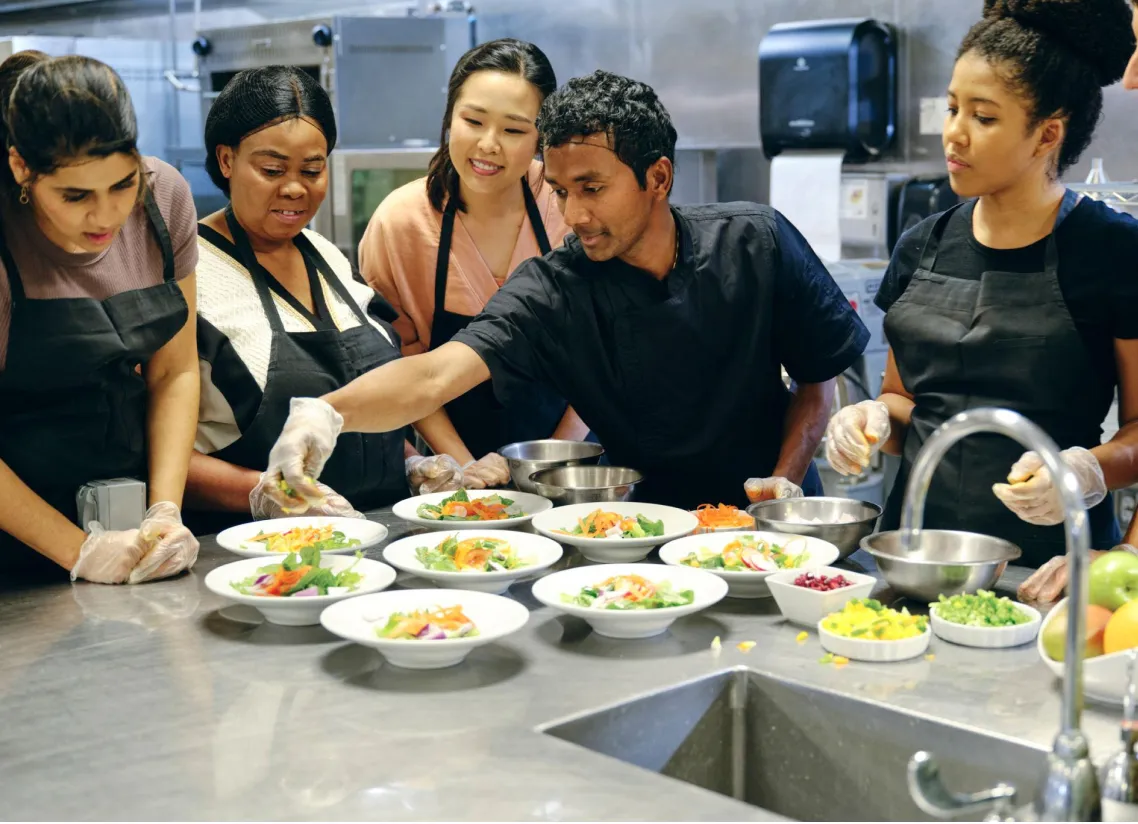
Reading about a training environment is one thing. Walking into a professional kitchen and understanding what your next one to three years will look and feel like — that is something else entirely.
We hold regular Open Days where prospective students and their families are welcome to visit, meet our trainers, see the kitchen in action, and ask any questions they have about our programs and what life at TheFCA is really like.


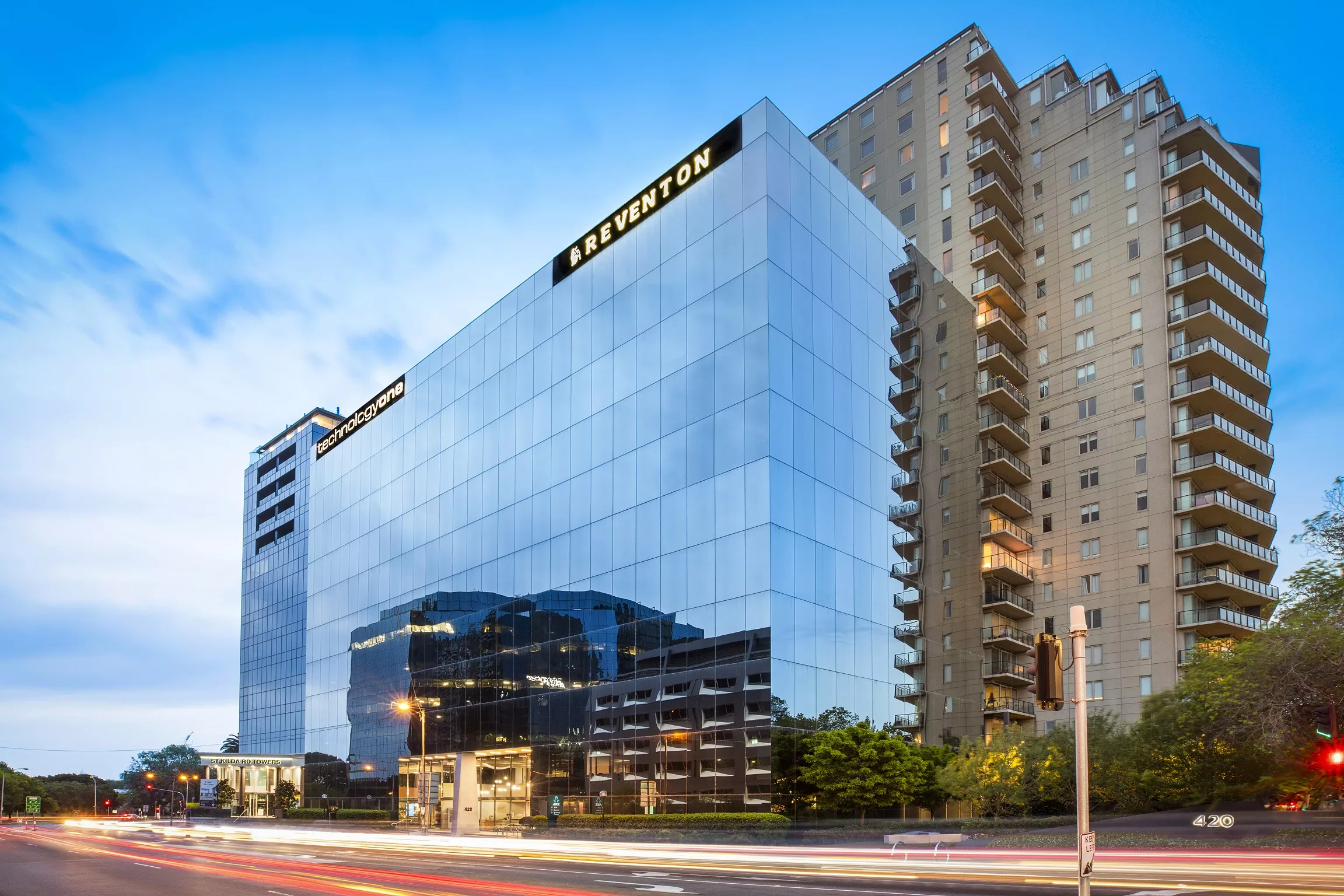
Our Location
Classroom
Level 5, 420 St Kilda Rd, MELBOURNE, VIC, 3004
Training Kitchen location
9 Nicholson St, Bentleigh VIC 3204
BEGIN YOUR CULINARY JOURNEY
At The Future Culinary Academy, passion for food transforms into professional mastery and global career opportunities.